

Resin flooring advice
What Are the Pros and Cons of Resin Flooring?
Resin flooring can be an excellent choice for industrial, commercial
and specialist environments, but it is not automatically the right
solution for every floor. The advantages depend on choosing the right
system, while many of the disadvantages arise when the substrate,
preparation, environment or flooring build has not been properly considered.
What are the main pros and cons of resin flooring?
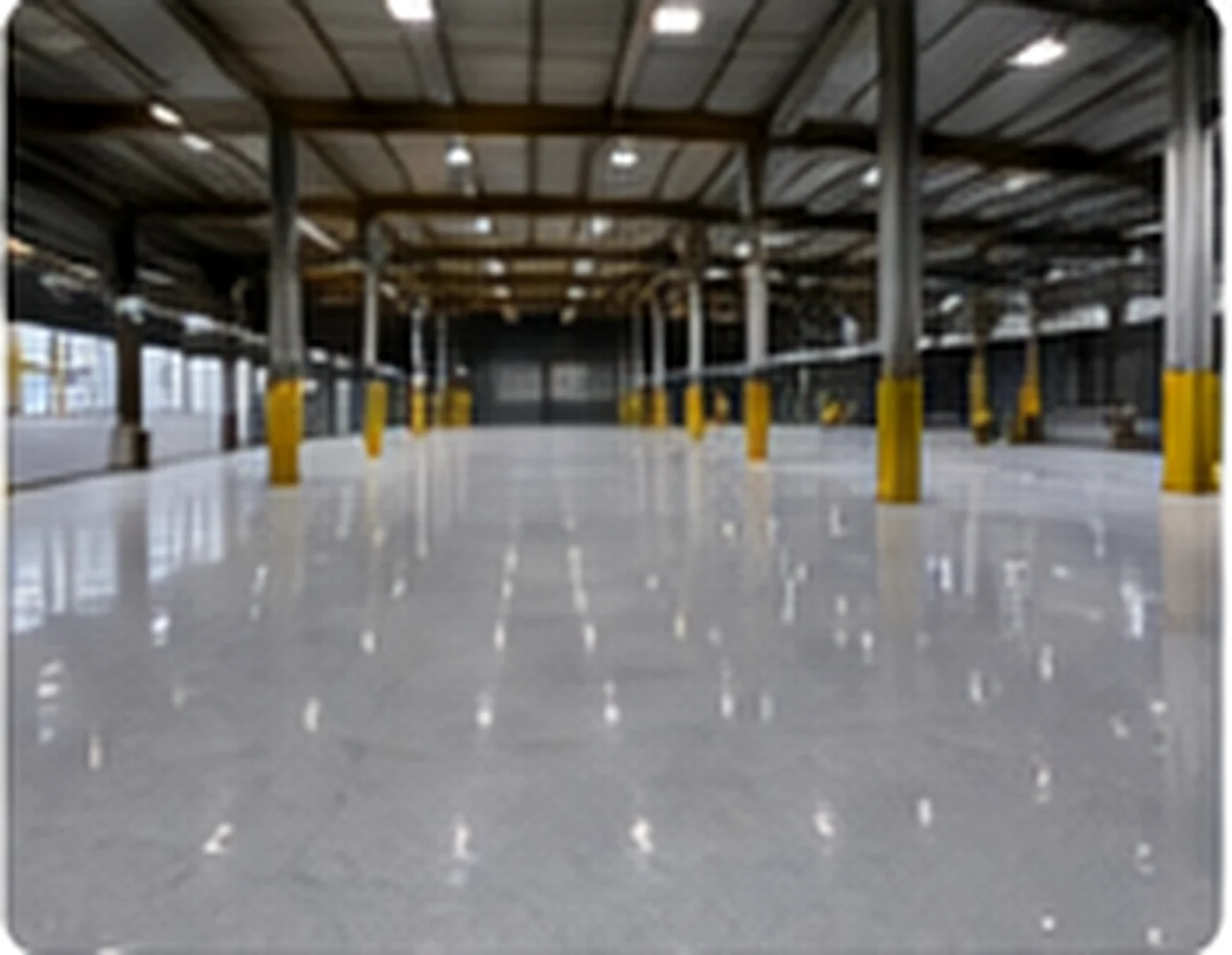
The main advantages of resin flooring include a seamless finish,
good durability when correctly specified, straightforward cleaning,
a wide choice of finishes and the ability to tailor the system to
different working environments.
The disadvantages are that good preparation is essential, installation
usually requires some downtime, incorrect systems can fail prematurely,
some finishes can scratch or mark, moisture and substrate problems can
cause failures, and higher-performance systems can cost more initially.
Start with the basics
What is resin flooring?
Resin flooring is a general term for flooring systems formed using
liquid-applied resin materials over a prepared substrate, usually concrete.
Different resin technologies, primers, coatings, aggregates and system
thicknesses can be combined to create very different flooring builds.
This means the phrase resin flooring can describe anything
from a relatively thin protective coating to a much heavier industrial system.
The finished floor can be smooth or textured, matt or gloss, decorative
or highly practical. The correct approach depends on what the area will
actually be used for.
You can see the broader range of heavy-duty options on our
Industrial Resin Flooring
page.
The advantages
What are the advantages of resin flooring?
A correctly specified resin flooring system offers several practical
benefits for industrial and commercial environments.
Seamless Finish
Resin flooring can create a largely seamless surface without the
regular grout lines or joints associated with many tiled floor finishes.
Designed Around the Environment
Different resin systems can be selected around traffic, impact,
abrasion, cleaning, moisture exposure and other operational requirements.
Practical to Clean
A correctly installed seamless finish can simplify routine cleaning
compared with surfaces containing numerous joints or grout lines.
Wide Choice of Finishes
Resin floors can be produced in different colours, textures and
finishes to suit industrial, commercial and specialist environments.
Anti-Slip Options
Textured finishes can be incorporated where additional grip is
required in wet or higher-risk operational areas.
Useful for Refurbishment
Existing industrial concrete floors can often be mechanically
prepared, repaired and refurbished with a suitable new resin system.
A practical benefit
A seamless floor can make routine cleaning easier
One reason resin flooring is widely used in industrial and commercial
buildings is the ability to produce a continuous surface across large areas.
Compared with tiled finishes, there are normally fewer grout lines and
joints across the field of the floor. This can make routine cleaning and
maintenance more straightforward.
That does not mean every resin floor is automatically hygienic or maintenance-free.
The finish, detailing, drainage, contamination and cleaning regime still matter.
Specialist environments may require additional detailing depending on the
operational and hygiene requirements.
Built for working environments
Resin flooring can be highly durable when correctly specified
Resin flooring is widely used in factories, warehouses, workshops and
other demanding environments because systems can be selected around the
conditions the floor needs to withstand.
However, durability is not a property that can be judged from the word
resin alone.
The concrete underneath, preparation, system type, thickness, traffic,
wheels, impact, abrasion, chemical exposure, cleaning and maintenance
can all influence how the floor performs.
We cover this subject in much more detail in our
Resin Flooring Durability Guide
.
The limitations
What are the disadvantages of resin flooring?
Most disadvantages are manageable when they are understood before the
project begins, but they should not be ignored.
Preparation Is Critical
Installing resin over unsuitable, contaminated or poorly prepared
concrete can undermine the complete flooring system.
Installation Requires Downtime
Preparation, repairs, installation and curing all need to fit around
the operational requirements of the site.
It Can Scratch or Mark
Sand, metal swarf, dragged pallets and other abrasive materials can
mark some resin finishes.
Moisture Problems Matter
Moisture within or beneath the substrate needs to be understood before
a resin system is installed.
The Wrong System Can Fail
A floor selected only on price or appearance may not suit the actual
traffic, impact, chemical or temperature conditions.
Higher-Performance Systems Cost More
Heavier preparation, repairs and more substantial flooring systems
can increase the initial project cost.
One of the biggest considerations
Resin flooring is only as good as the substrate it is installed onto
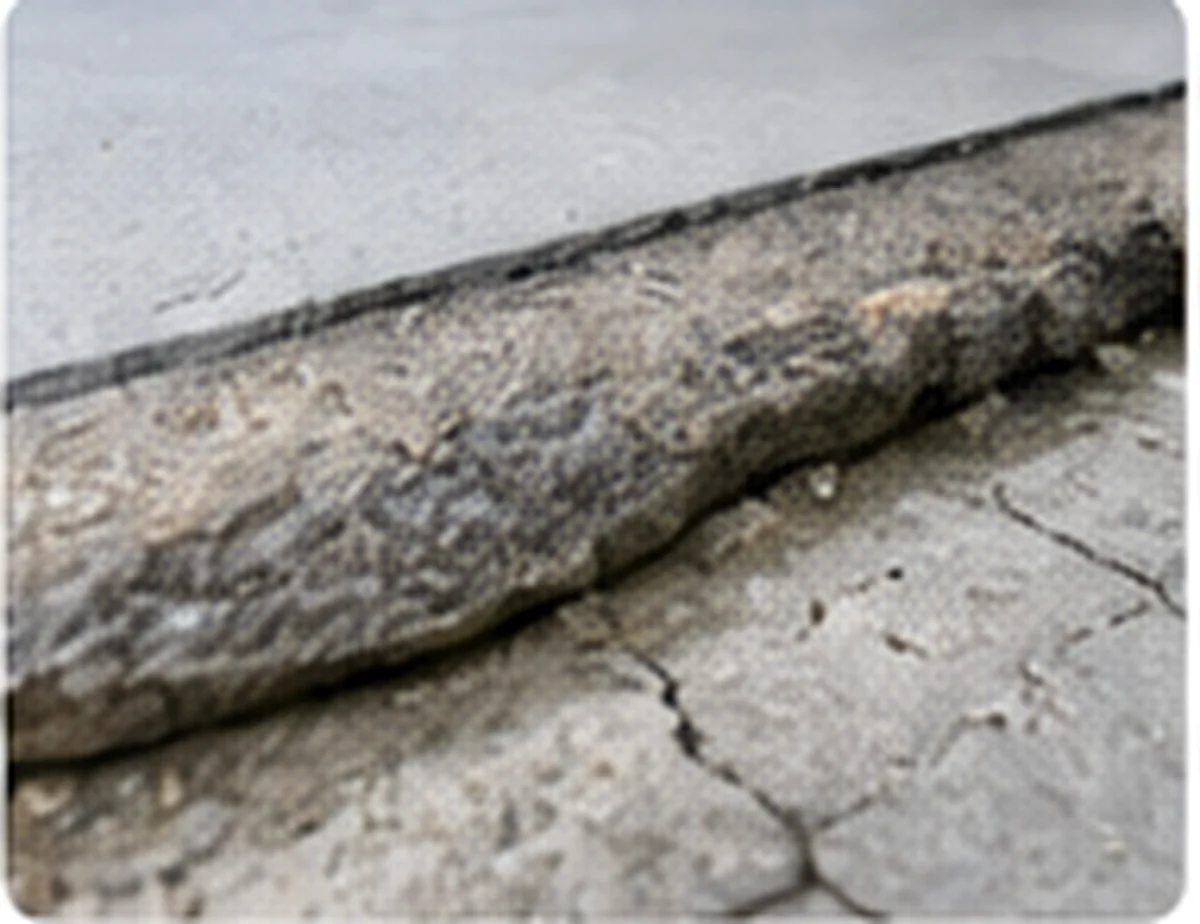
One of the biggest mistakes is to think only about the finished resin
surface and ignore the concrete underneath it.
Industrial concrete may contain laitance, old coatings, contamination,
cracks, indentations, damaged areas and previous repairs.
Those conditions need to be understood before the new flooring system
is installed.
Depending on the project, preparation can include diamond grinding,
shot blasting, coating removal and localised concrete repairs.
Our dedicated
Industrial Floor Preparation and Repairs
page explains this stage in more detail.
Planning the installation
Resin flooring requires some operational downtime
Unlike loose floor coverings, a resin system needs to be installed
directly onto the prepared substrate.
The project can involve mechanical preparation, dust control, repairs,
primers, resin layers and curing periods before the area returns to service.
This means access and programme planning are important, particularly in
factories and warehouses where completely closing an operational area may
be difficult.
Larger projects can sometimes be phased or divided into working zones,
depending on the floor layout and operational requirements.
For commercial and industrial sites, the available shutdown window should
be discussed early rather than after the flooring system has been selected.
Wear and appearance
Resin floors are durable, but they are not impossible to scratch
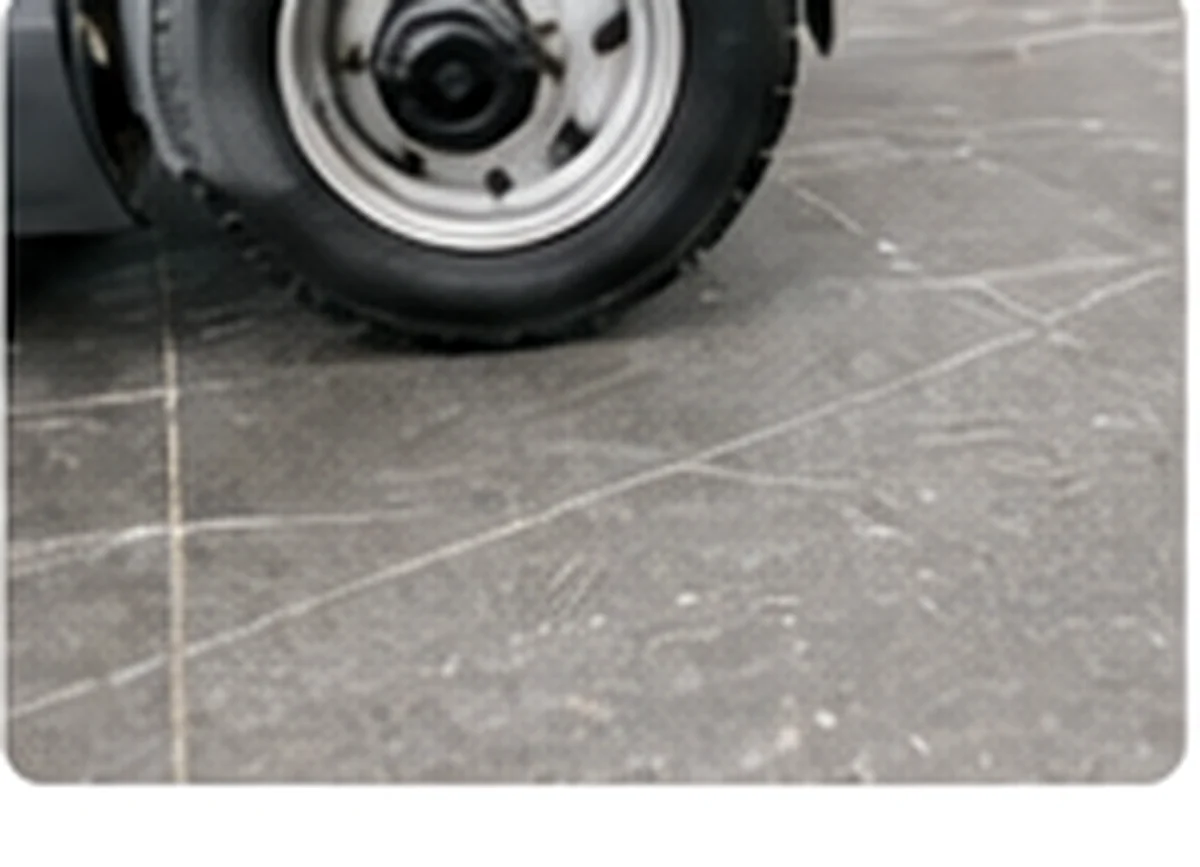
Resin flooring can withstand demanding conditions when correctly
specified, but durable does not mean indestructible.
Sand, metal swarf, hard debris beneath wheels, dragged pallets,
machinery and other abrasive activities can scratch or mark the surface.
This can be particularly noticeable on smooth, high-gloss finishes where
cosmetic scratches are easier to see.
A textured or more practical industrial finish may show ordinary working
marks differently from a highly reflective decorative floor.
Read our detailed guide:
Do Resin Floors Scratch Easily?
The substrate matters
Moisture problems need to be understood before installation
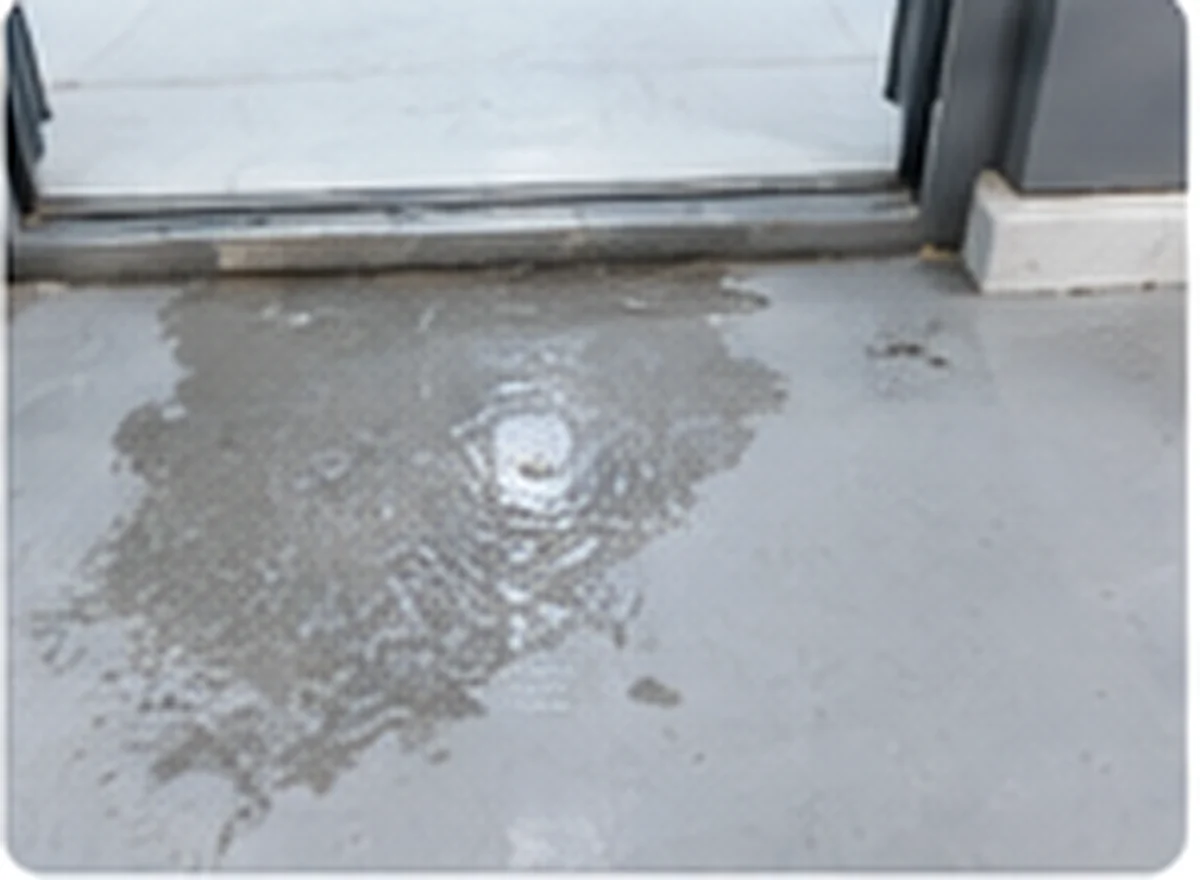
Resin flooring should not simply be used to cover an unresolved moisture problem.
Excess moisture, water ingress or other substrate conditions can affect
the performance of flooring systems if they are not properly understood.
The correct response depends on the actual site conditions and proposed system.
Where moisture is a concern, it should be investigated as part of the
flooring assessment rather than hidden beneath the new finish.
Grip and cleanability
Resin flooring can be textured for additional slip resistance
Another advantage of resin flooring is the ability to incorporate
texture into suitable systems for areas where additional grip is required.
This can be useful in wet production areas, ramps, entrances and other
higher-risk operational zones.
However, greater texture can also affect how easily a floor is cleaned,
so the correct finish should balance slip risk with the site’s cleaning
and hygiene requirements.
Our
Anti-Slip Resin Flooring
page explains the options in more detail.
Cost and value
Is resin flooring expensive?
Resin flooring does not have one fixed square-metre price because the
preparation and system can vary considerably between projects.
A clean, sound concrete floor requiring a relatively straightforward
coating is very different from a damaged industrial floor requiring
heavy mechanical preparation, repairs and a more substantial resin build.
Factors affecting cost include:
- Floor area
- Condition of the existing concrete
- Existing coatings that need removing
- Repairs
- Preparation method
- Resin system and thickness
- Anti-slip requirements
- Access and working hours
- Available installation programme
For a more detailed explanation, read our
Resin Flooring Cost Guide
.
At a glance
Resin flooring advantages and disadvantages
| Advantage | What it means | What still needs considering |
|---|---|---|
| Seamless finish | Fewer joints across the main floor area | Joints and detailing may still be required around the building |
| Durability | Systems can be selected for demanding industrial use | The system must suit the traffic, impact and operating conditions |
| Cleaning | A continuous surface can simplify routine maintenance | The cleaning regime must suit the finish and contamination |
| Anti-slip options | Texture can be added where additional grip is required | More texture can make cleaning more demanding |
| Appearance | Available in different colours and finishes | Smooth glossy finishes can show scratching and working marks |
| Refurbishment | Existing concrete can often be prepared and recoated | Substrate condition and previous coatings must be assessed first |
Real SRS project
A real example of why preparation matters
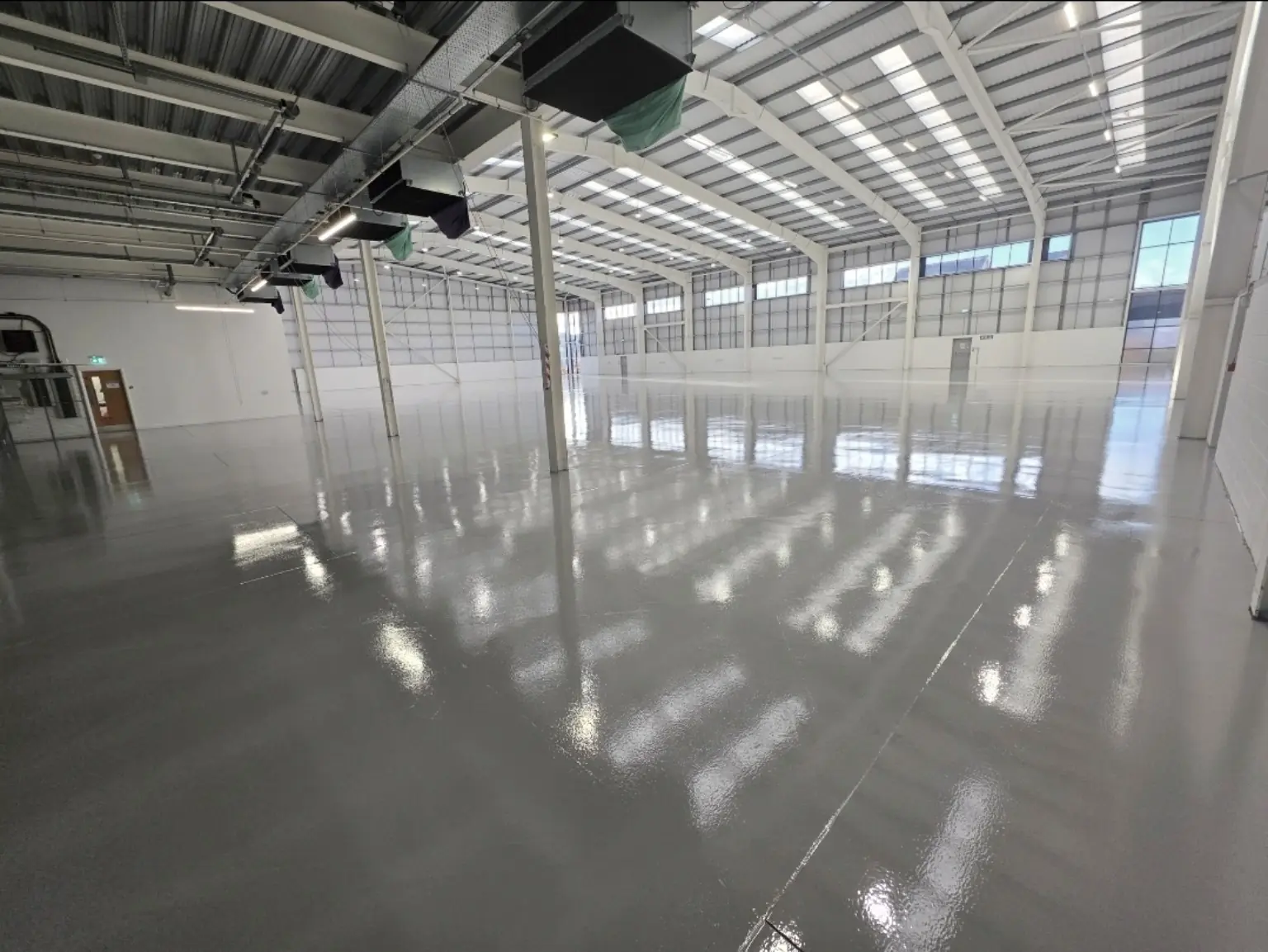
SRS’s approximately 3,500m² Bristol warehouse refurbishment is a useful
example of both the benefits and the practical requirements of resin flooring.
The existing resin floor was old, tired and damaged. The project was not
simply a case of applying another coating over the top.
Preparation included diamond grinding and shot blasting. Indentations
and damaged areas extending into the concrete were cleaned and repaired
with epoxy mortar before the new Vebro Polymers epoxy flooring system
was installed.
The finished floor demonstrates the benefit of a seamless industrial
resin finish, while the work underneath it demonstrates why preparation
cannot be treated as an optional extra.
Read the full
Bristol Warehouse Resin Flooring Case Study
.
Looking after the floor
Resin flooring still needs cleaning and maintenance
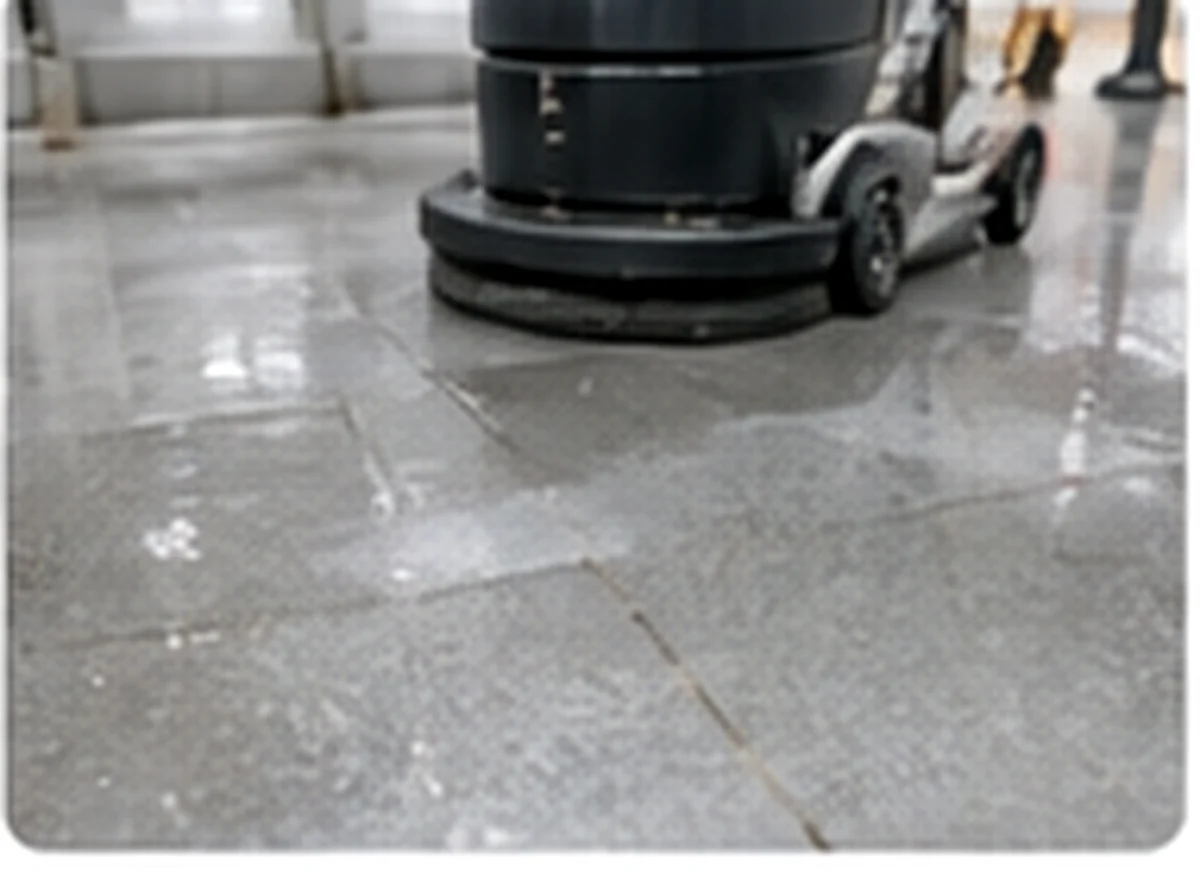
Resin floors are sometimes described as maintenance-free, but that is not
a useful way to think about any working floor.
Dirt, grit, oils, process contamination and abrasive debris should be
removed using a cleaning method appropriate for the finish and environment.
Local damage should also be investigated before it becomes more disruptive.
Appropriate cleaning and maintenance help protect both the appearance
and practical performance of the flooring.
If you want to understand how maintenance relates to service life, see
our guide:
How Long Does Resin Flooring Last?
Making the decision
Is resin flooring worth it?
Resin flooring can be a very practical investment where the building
needs a seamless, durable and purpose-designed floor.
It is particularly useful where the specification needs to consider
industrial traffic, cleaning, wear, appearance, slip resistance or
refurbishment of an existing concrete floor.
But it is only worth choosing when the correct system is matched to the
actual conditions.
Choosing a low-cost system that does not suit the substrate or operating
environment can be false economy. Equally, installing a much heavier
system than the area needs may add unnecessary cost.
The aim should be to specify enough performance for the actual environment
rather than simply choosing the cheapest or most expensive option.
Honest specification
When might resin flooring not be the right option?
Resin flooring is versatile, but it should not be forced onto every project.
Further investigation may be required where there is:
- Unresolved water ingress
- Significant substrate movement
- Weak or unstable concrete
- Serious structural cracking
- Heavy contamination extending into the concrete
- An operating environment unsuitable for the proposed resin technology
- Insufficient shutdown time for the required preparation and system
In those situations, the underlying problem should be understood before
deciding on the flooring solution.
A good flooring contractor should be willing to explain when additional
investigation or preparation is necessary rather than simply covering the floor.
Continue your research
Related resin flooring services and advice
Frequently asked questions
Pros and cons of resin flooring FAQs
What are the main advantages of resin flooring?
Main advantages include a seamless finish, good durability when
properly specified, straightforward cleaning, different finish
options and the ability to tailor systems to different industrial
and commercial environments.
What are the disadvantages of resin flooring?
Good substrate preparation is essential, installation requires some
downtime, certain finishes can scratch or mark, moisture problems
need to be understood and unsuitable systems can fail prematurely.
Is resin flooring expensive?
Cost depends on floor condition, preparation, repairs, floor area,
system type, thickness, access and installation programme. There is
no useful universal square-metre price for every resin flooring project.
Is resin flooring durable?
Resin flooring can be highly durable when the substrate, preparation
and system are suited to the traffic, impact, abrasion, cleaning and
operating conditions.
Can resin flooring scratch?
Yes. Abrasive debris, dragged equipment, metal swarf and hard objects
can mark or scratch some finishes. Visibility depends partly on the
flooring system and surface finish.
Is resin flooring easy to clean?
The largely seamless surface can simplify routine cleaning, although
the cleaning method still needs to suit the texture, contaminants
and operational environment.
Can resin flooring be anti-slip?
Yes. Suitable resin systems can incorporate textured finishes where
additional slip resistance is required. The texture should be balanced
against cleanability and the actual contamination risk.
Can resin flooring go over damaged concrete?
Damage should first be assessed. Mechanical preparation can expose
defects, and agreed localised concrete repairs can often be completed
before the new resin flooring system is installed.
How long does resin flooring last?
There is no single lifespan for every resin floor. Service life depends
on preparation, flooring system, traffic, impact, chemical exposure,
cleaning and maintenance.
Is resin flooring worth it for a warehouse or factory?
It can be a very practical option where the correct system is specified
around the concrete substrate, traffic, operational conditions and
maintenance requirements.
Considering resin flooring?
Get advice based on your actual floor and working environment
Send Superior Resin Solutions the site location, approximate floor area,
photographs, existing floor condition, traffic, contamination and available
installation programme. We can review the information and discuss the
most practical next step.