


Practical resin flooring cost guide
Is a Resin Floor Expensive? A Practical Resin Flooring Cost Guide
There is no reliable one-price-fits-all answer for resin flooring cost in the UK.
The final price depends on the existing concrete, preparation and repairs,
system build-up, floor area, operating demands, site access and the time
available to complete the work.
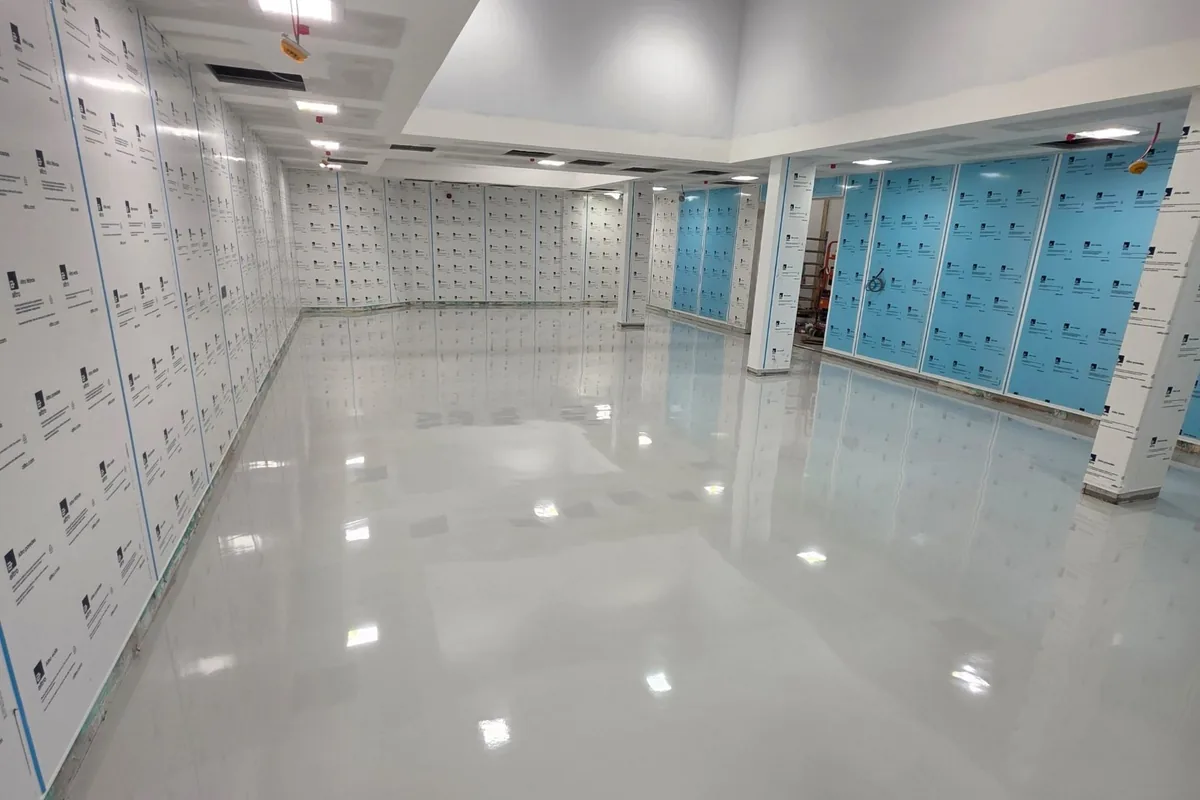
system build and site requirements—not the finished colour alone.
The direct answer
How Much Does Resin Flooring Cost?
Resin flooring can be a significant investment, but the price
cannot be judged accurately from floor area alone.
Two floors covering the same number of square metres may require
completely different preparation, repairs, materials and
installation programmes. A sound concrete floor in a clear,
accessible unit is a very different project from a damaged slab
containing cracks, contamination, failed coatings and restricted
working access.
The most useful question is therefore not simply, “What is the price
per square metre?” It is:
What preparation and resin system does this particular floor need
to perform properly in its real working environment?
Superior Resin Solutions assesses the existing floor, intended use,
traffic, cleaning, slip risk, chemicals, temperature and programme
before recommending an appropriate specification. This avoids
comparing quotations that may appear similar but include very
different levels of preparation and protection.
Reviewed for practical accuracy by Richard Evans, Director,
Superior Resin Solutions UK Ltd. This guide reflects SRS experience
pricing and delivering industrial and commercial resin flooring projects
where preparation, repairs, access and system selection can materially
change the final quotation.
Main pricing factors
What Affects Resin Flooring Cost?
The following factors normally have a greater effect on the final
quotation than the colour of the finished floor.
Existing Floor Condition
Weak concrete, laitance, cracks, failed coatings, damaged joints,
oil contamination and previous repairs can all increase the
preparation and repair work required before resin is installed.
Mechanical Preparation
Diamond grinding, shot blasting, industrial vacuuming and edge
preparation may be required to create a clean, sound and suitably
profiled surface for the specified flooring system.
Repairs and Detailing
Cracks, holes, indentations, damaged joints, drainage channels,
machinery bases, wall junctions and thresholds may require
individual treatment before the main flooring installation.
Resin System and Build-Up
A protective coating, broadcast system, self-levelling epoxy
floor and heavy-duty polyurethane screed use different material
quantities, preparation methods and installation stages.
Operational Requirements
Forklifts, pallet trucks, heavy foot traffic, impacts, chemicals,
wet use, hygiene demands, temperature changes and slip resistance
all influence the required specification.
Access and Programme
Restricted access, occupied buildings, phased work, weekend
installations, short shutdowns and fast return-to-service
requirements can affect labour, logistics and system selection.
Understanding the quotation
Why Floor Preparation Has Such a Large Effect on Price
Resin flooring relies on the condition of the substrate beneath it.
A visually attractive finish cannot compensate for weak concrete,
contamination or an unsuitable surface profile.
Preparation may include removing old coatings, grinding or blasting
the concrete, cleaning edges, opening and repairing cracks, rebuilding
damaged areas and removing dust with industrial vacuum equipment.
The exact method should suit both the concrete and the proposed resin
system.
This is why a low quotation that contains little detail about
preparation should be examined carefully. Preparation is not an
optional cosmetic stage; it is part of the flooring installation.
For more detail on grinding, shot blasting, damaged concrete and repair
work before a resin system is installed, see our
Industrial Floor Preparation and Repairs page.
Does the Size of the Floor Affect the Cost?
Yes, but not always in the way people expect. A larger area usually
means a higher overall project value, although setup, delivery,
machinery and mobilisation costs may be spread across more square
metres.
Small or complex areas can sometimes have a higher cost per square
metre because the project still requires preparation equipment,
materials, skilled labour, edge work and site controls. Columns,
rooms, narrow access routes, machinery and detailed junctions can also
slow installation compared with a large, open floor.
How the Resin System Changes the Price
Resin flooring is not one product. The system should be selected
around the way the area is used.
Epoxy floor coatings
An
industrial floor coating may provide a practical upgrade for
suitable light-to-medium-duty concrete floors. It is not automatically
the right choice for heavy impact, demanding wet processing or severe
thermal conditions.
Broadcast and textured epoxy systems
Broadcast systems can provide a more robust and textured wearing
surface for selected factories, warehouses, ramps and working routes.
Aggregate size, texture and cleaning requirements should be considered
alongside slip resistance.
Self-levelling epoxy flooring
A smooth
epoxy resin floor can create a seamless, professional finish for
suitable industrial and commercial areas. Substrate flatness, moisture,
impact, traffic and slip requirements still need to be assessed.
Polyurethane and heavy-duty screeds
More demanding wet, hot, hygiene-sensitive or heavily used areas may
require a thicker polyurethane system or screed. Increased system
depth and specialist performance requirements normally affect material
and installation costs.
Get a useful first-stage assessment
Send SRS the Information Needed to Review Your Floor
A few clear project details can help SRS identify the likely
preparation requirements and the most appropriate flooring route.
Why SRS Does Not Publish One Fixed Price Per Square Metre
A generic figure can be misleading because it may not include the
work required to make the existing floor suitable. It can also fail
to distinguish between a thin protective coating and a thicker,
performance-led resin system.
SRS prefers to understand the site before confirming a specification
and quotation. The assessment should consider:
- The strength and condition of the concrete.
- Existing coatings, contamination, cracks and damaged joints.
- The required preparation and repair methods.
- The proposed resin technology and system thickness.
- Forklift, pedestrian, vehicle and machinery traffic.
- Chemicals, water, heat, cleaning and slip risks.
- Access, safe segregation, curing and return to service.
This makes the quotation more useful because it explains what is
included rather than relying on a headline rate that may not reflect
the actual condition of the floor.
Genuine SRS project evidence
Why Floor Area Alone Does Not Tell You the Cost
Two warehouse floors can be thousands of square metres in size and still
require very different preparation, repairs and installation programmes.
SRS project experience shows why a headline price per square metre can be
misleading when the condition of the existing floor is not understood.
3,500m² Bristol warehouse refurbishment
On SRS’s approximately 3,500m² Bristol warehouse project, the existing
resin floor was old, tired and damaged. Preparation included diamond
grinding and shot blasting, with damaged areas extending into the concrete
repaired using epoxy mortar before the Vebro Polymers epoxy flooring
system was installed.
Read the full
3,500m² Bristol Warehouse Resin Flooring Case Study.
5,000m² Rhondda warehouse refurbishment
On the approximately 5,000m² Rhondda warehouse project, SRS inherited a
deteriorated floor that included failed resin, oil-affected concrete,
cracks, holes and damaged areas. Mechanical preparation and repair work
were therefore a major part of the flooring programme before the new
epoxy system was completed.
Read the full
5,000m² Rhondda Warehouse Resin Flooring Case Study.
These projects are useful examples of why SRS prices the actual floor and
required specification rather than applying one generic rate to every job.
Compare like with like
What Should a Resin Flooring Quotation Explain?
When comparing prices, check whether each contractor is proposing the
same preparation, repairs, system build and programme.
| Quotation item | What should be clear | Why it matters |
|---|---|---|
| Preparation |
Grinding, shot blasting, coating removal, edge work and vacuuming. |
Different preparation methods can produce very different substrate conditions. |
| Repairs |
Cracks, joints, holes, indentations, weak concrete and local damage. |
Repair scope can materially change the labour and materials required. |
| System build |
Primer, body coat, aggregate, wearing coat, seal coat and approximate thickness. |
Two quotations described simply as “epoxy flooring” may be completely different systems. |
| Performance |
Traffic, impact, chemicals, temperature, hygiene and slip requirements. |
The system should be chosen around real site conditions. |
| Programme |
Preparation time, installation stages, curing and return to service. |
Shortcuts taken to meet an unrealistic programme may affect the completed floor. |
| Exclusions |
Moisture treatment, extra repairs, moving equipment, access and unforeseen substrate issues. |
Clear exclusions reduce the risk of unexpected additions after work starts. |
Cost versus value
Is Resin Flooring Good Long-Term Value?
It can be, provided the specification suits the substrate and the way
the area is used. The lowest initial price is not automatically the
lowest long-term cost if the floor requires early repair, recoating or
replacement.
Value should be considered alongside operational requirements.
A correctly specified floor may support easier cleaning, concrete
protection, safer movement, improved appearance and a more suitable
working surface. However, those benefits depend on preparation,
product selection, installation and maintenance.
The right approach for a dry commercial unit may be very different
from the system needed in a warehouse, production area, food facility,
workshop or loading route.
Explore relevant flooring options
Find the Right SRS Flooring Information
These service pages explain the systems and site considerations
relevant to different project types.
Resin flooring cost questions
Frequently Asked Questions
How much does resin flooring cost per square metre?
A reliable figure cannot be confirmed from floor area alone.
The cost depends on substrate condition, preparation, repairs,
resin system, thickness, finish, access and programme. SRS
reviews the project details before confirming a quotation.
Does damaged concrete make resin flooring more expensive?
It can. Cracks, holes, weak areas, damaged joints, failed
coatings and contamination may require additional preparation
or repair work before the resin system is installed.
Is epoxy flooring cheaper than polyurethane flooring?
Cost depends on the exact system rather than the resin name
alone. Epoxy coatings, broadcast systems, self-levelling
floors, polyurethane coatings and heavy-duty screeds have
different build-ups and performance characteristics.
Why do resin flooring quotations vary so much?
Contractors may be allowing for different preparation methods,
repair scopes, material quantities, system thicknesses and
installation programmes. Check that each quotation describes
what is included before comparing the final price.
Can resin flooring be installed over an existing coating?
The existing coating must be assessed. Failed, contaminated,
incompatible or poorly bonded coatings may need to be removed.
The new system should not be installed over an unsuitable base
simply to reduce preparation costs.
Can a larger resin flooring project cost less per square metre?
Sometimes. Mobilisation, machinery and setup costs can be spread
across a larger open floor, but substrate condition, repairs, system
build, access and programme can outweigh that benefit. A large damaged
floor may therefore cost more per square metre than a simpler project.
What information does SRS need to provide an initial assessment?
Send the site location, approximate floor area, photographs,
current floor condition, intended use, traffic, chemicals or
wet exposure, required finish and preferred completion
programme.
Plan the next flooring project
Request a Practical Resin Flooring Assessment
Send SRS the floor area, site location, photographs, current
condition, operational requirements and preferred programme. The
information will help identify the likely preparation and suitable
resin flooring route.