


Resin flooring durability guide
How Durable Are Resin Floors? A Practical Durability Guide
Resin floors can be extremely durable when the substrate, preparation,
flooring system and working environment are properly matched. But durability
is not simply a case of choosing resin flooring. Traffic, impact, chemicals,
cleaning, temperature, system thickness and the condition of the concrete
underneath can all affect how a floor performs.
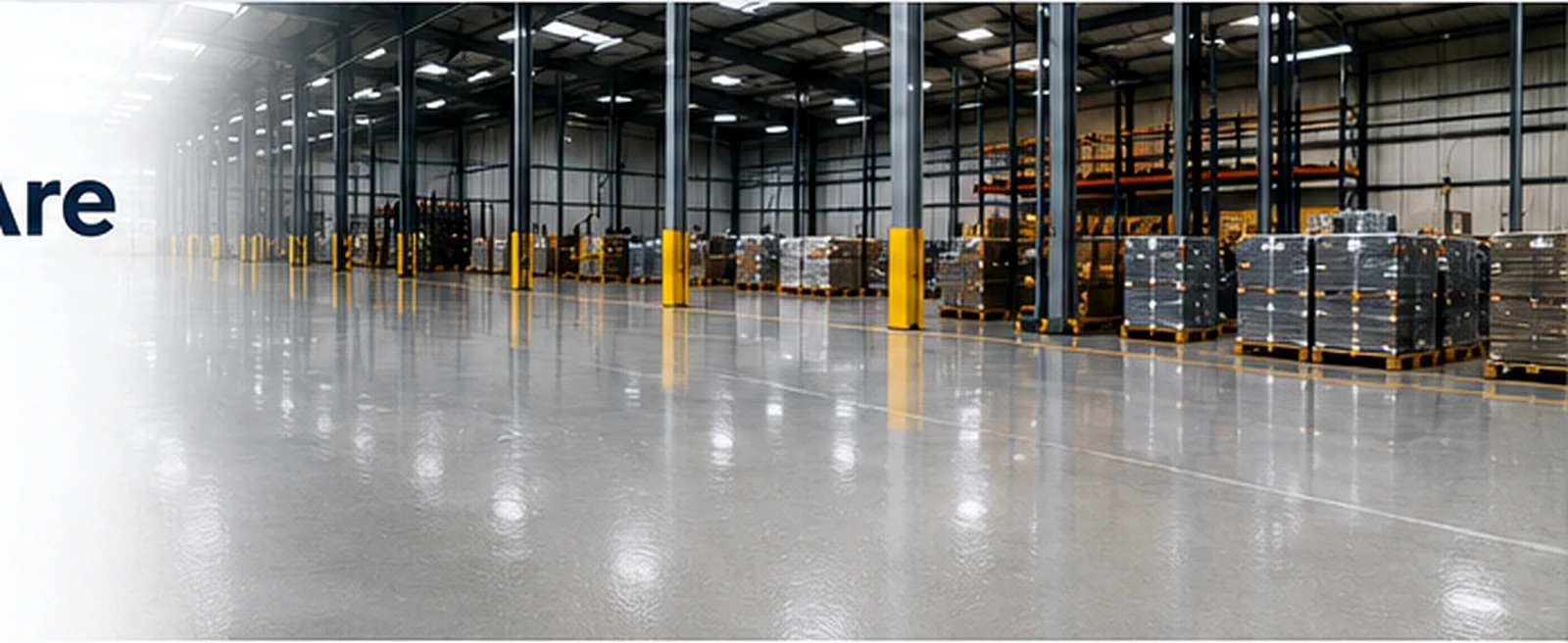
So, how durable are resin floors?
A correctly specified and properly installed resin floor can provide a
highly durable surface for industrial and commercial environments.
Resin flooring durability depends on the complete flooring system,
including the concrete substrate, preparation, repairs, primer,
resin build-up, traffic, impact, chemicals, cleaning and maintenance.
Reviewed for practical accuracy by Richard Evans, Director,
Superior Resin Solutions UK Ltd. This guide has been checked
against SRS project experience across working industrial and commercial
environments.
An important distinction
Durability and lifespan are not quite the same thing
People often use durability and lifespan to mean the same thing, but
they answer slightly different questions.
Durability is about how well the floor copes with the
conditions it is exposed to. That could include foot traffic,
forklifts, pallet trucks, machinery, abrasion, impact, spillages,
cleaning or changes in temperature.
Lifespan is about how long the flooring remains
serviceable before significant refurbishment or replacement is required.
A resin floor may remain serviceable while showing cosmetic wear, just
as a floor can look relatively clean but have a localised problem caused
by impact, substrate movement or contamination.
If your main question is how long a resin floor can remain in service,
read our separate guide:
How Long Does Resin Flooring Last?
What affects performance?
Six major factors that affect resin flooring durability
The name of the resin is only one part of the specification. In real
industrial environments, these factors often have just as much
influence on performance.
Concrete and Preparation
A resin system needs a suitable substrate. Weak concrete,
contamination, unsuitable existing coatings or inadequate
preparation can undermine the flooring above them.
System Type and Build
A relatively thin coating and a heavier resin flooring system are
not designed to deal with identical conditions. The build should
reflect the actual duty of the area.
Traffic and Wheels
Pedestrians, pallet trucks, forklifts and vehicle movements create
different wear patterns. Turning points and heavily trafficked
routes can be particularly demanding.
Impact and Abrasion
Dropped tools, metal components, machinery, dragged equipment and
abrasive debris can place much greater demands on a floor than
ordinary foot traffic.
Chemicals, Water and Temperature
Spillages, washdown, cleaning products and temperature conditions
should be understood before the flooring system is selected.
Cleaning and Maintenance
Cleaning method, frequency, contamination and ongoing maintenance
all influence the condition and appearance of a working resin floor.
Look beyond the word durable
What does a durable resin floor actually need to withstand?
There is no single definition of a durable floor that works for every
building. A showroom, engineering workshop, food-production area and
busy distribution warehouse can all need resin flooring, but the
stresses placed on those floors are very different.
Before deciding whether a particular resin system is suitable, it helps
to ask what the floor will actually experience during normal operation.
- How much pedestrian traffic will use the area?
- Will forklifts, pallet trucks or vehicles operate on the floor?
- Are there tight turning areas or heavily used traffic routes?
- Could tools, components or materials be dropped?
- Will oils, cleaning chemicals or process liquids reach the floor?
- Will the area be regularly wet or washed down?
- Are there significant changes in operating temperature?
- How important are appearance, colour and line markings?
- Does the floor require a textured anti-slip finish?
- How much shutdown time is available for preparation and installation?
A good specification starts with those conditions rather than simply
choosing a product because it is described as heavy duty.
The floor underneath matters
Floor preparation is part of resin flooring durability
A resin floor is installed onto an existing substrate, normally
concrete. The condition of the substrate and the preparation completed
before the resin is installed are therefore fundamental parts of the
finished flooring system.
Preparation may involve mechanical methods such as diamond grinding or
shot blasting, removal of unsuitable existing coatings, detailed edge
preparation and repairs to damaged areas.
Mechanical preparation can also expose problems that were hidden beneath
an old finish. Weak areas, indentations, cracks and previous repairs can
then be assessed before the new resin build-up is installed.
Read more on our dedicated
Industrial Floor Preparation and Repairs
page.
Planning a hard-working floor?
Tell SRS what the floor will actually be used for
The more useful information we have at the start, the easier it is to
understand the likely preparation, flooring build and installation
requirements.
Warehouses and distribution
Can resin flooring cope with forklifts and heavy traffic?
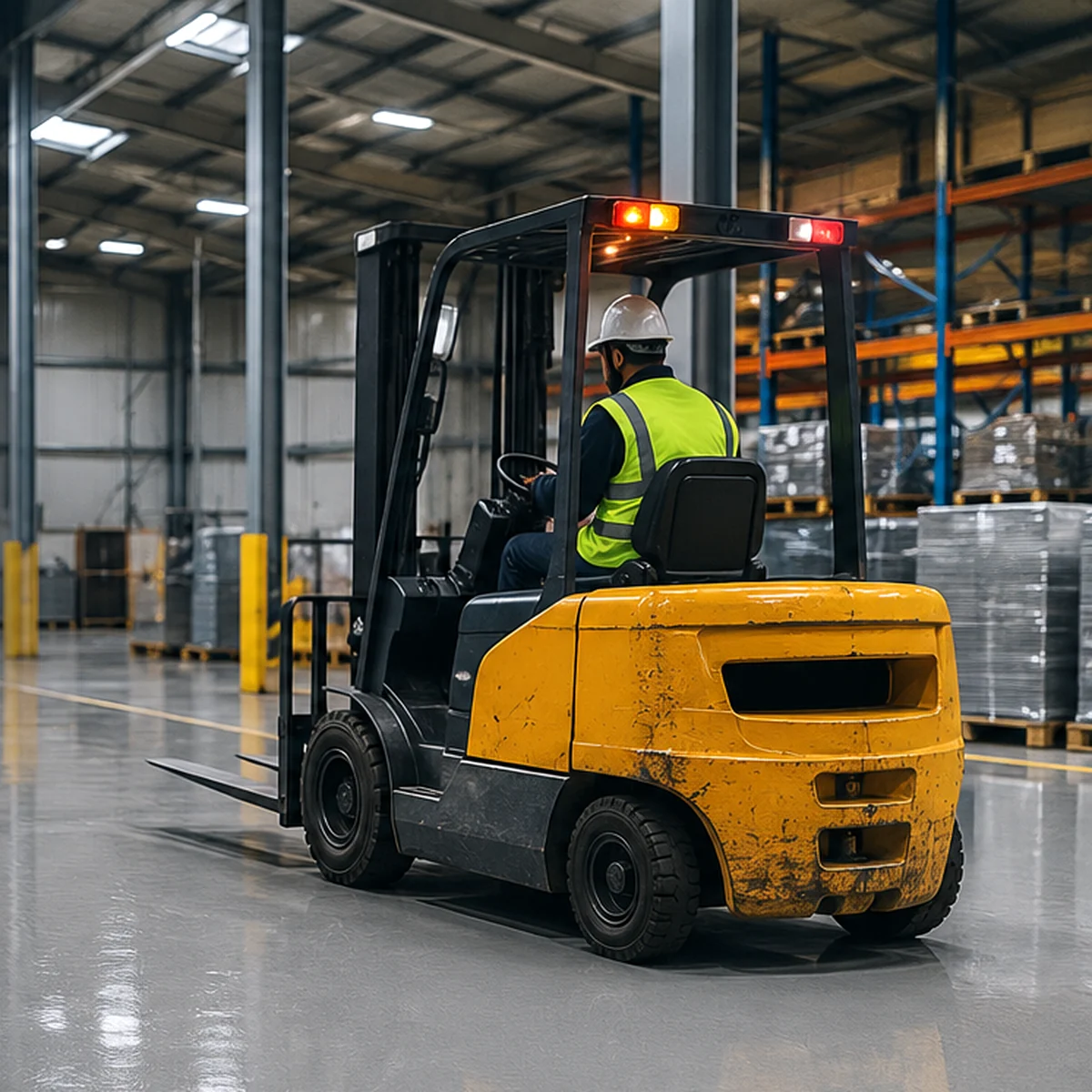
Resin flooring is widely used in warehouses and industrial environments,
but forklift traffic is not one fixed level of duty.
The amount of traffic, vehicle weight, wheel type, loading, speed, turning
movements and condition of the substrate can all influence wear.
A straight travel route may place very different demands on the floor
from a busy turning point, loading area or narrow aisle.
That is why the flooring specification should reflect the busiest and
most demanding areas of the site rather than being based only on the
total square metre area.
Where a warehouse is being refurbished, existing wear patterns can also
provide useful information. Heavily worn turning points, damaged loading
areas and failing traffic routes can help identify where the floor has
previously been under the greatest stress.
Learn more on our
Warehouse Resin Flooring
page, where we explain how preparation, traffic routes, forklift use,
loading areas and shutdown requirements influence the specification.
SRS has also completed an approximately 5,000m² warehouse flooring
refurbishment in Rhondda. The inherited floor included heavily deteriorated
resin, oil-affected concrete, cracking, holes and damaged substrate. Diamond
grinding, shot blasting and extensive repairs were completed before the
Vebro Polymers epoxy flooring system was installed in phases.
See the
5,000m² Rhondda Warehouse Resin Flooring Case Study
.
Epoxy flooring
How durable is epoxy resin flooring?
Epoxy resin flooring can provide a durable, seamless and practical finish
for many dry industrial and commercial environments when the system is
correctly specified and the substrate is properly prepared.
However, the term epoxy floor can describe very different flooring
builds.
A relatively thin epoxy coating used to protect concrete should not
automatically be expected to perform in the same way as a more
substantial resin flooring system designed for more demanding service
conditions.
Traffic, abrasion, impact, substrate condition, contamination,
temperature, cleaning and chemical exposure all need to be considered.
In some environments epoxy may be a very practical choice. In others,
a different resin technology or heavier flooring build may be more
appropriate after the site conditions have been assessed.
Learn more about
Epoxy Resin Flooring
.
Wear and appearance
Can a durable resin floor still scratch?
Yes. Describing a resin floor as durable does not mean it is impossible
to scratch, mark or damage.
Fine cosmetic scratching is different from deeper damage to the flooring
system.
Sand, metal swarf, dragged pallets, unprotected equipment, hard debris
beneath wheels and similar abrasive conditions can all mark a floor
surface.
Whether that affects only appearance or develops into a more significant
problem depends on the flooring system, depth of damage and working
environment.
This can be particularly noticeable on smooth high-gloss finishes.
Marks that would be less obvious on a textured industrial floor can be
easier to see on a reflective surface.
Chemical and process exposure
Are resin floors resistant to chemicals?
Resin flooring systems can be selected for environments where chemical
exposure is a concern, but chemical resistance should never be treated
as one universal property of every resin floor.
The exact substance, concentration, temperature, contact time,
frequency of exposure and cleaning process can all matter.
Different resin technologies and product formulations can have different
resistance characteristics.
If chemical exposure is an important part of the project, the actual
site information should be reviewed against the proposed flooring system
rather than relying on a general claim that resin is chemical resistant.
Grip and cleanability
Does an anti-slip finish affect durability?
Slip resistance is another part of the overall specification. Textured
finishes can be incorporated into suitable resin systems for wet, oily
or higher-risk operational areas.
The right texture should balance grip with the way the floor needs to be
cleaned.
A highly textured surface can behave differently during cleaning from a
smooth finish, so the specification should consider both contamination
risk and maintenance.
Flooring is also only one part of slip-risk management. Cleaning,
drainage, spill response, footwear and operational controls can all
contribute.
Learn more about
Anti-Slip Resin Flooring
.
Practical comparison
What should be checked in different working environments?
Different environments place different demands on the floor. This is why
the working conditions should be understood before a flooring system is
selected.
| Environment | Typical demands | Durability considerations |
|---|---|---|
| Warehouse | Forklifts, pallet trucks, loading and regular traffic |
Traffic volume, wheel type, turning points, substrate condition, impact and abrasion |
| Factory | Machinery, components, production traffic and operational wear |
Impact, abrasion, oils, chemicals, repairs, machinery loads and cleaning |
| Workshop | Tools, vehicles, equipment, oils and localised impact |
Mechanical wear, contamination, impact areas and practical maintenance |
| Food production | Wet processing, cleaning and hygiene requirements |
Water, cleaning regime, temperature, slip risk, drainage and detailing |
| Commercial area | Footfall, appearance and routine cleaning |
Wear, scratch visibility, finish, cleanability and maintenance expectations |
| Loading and traffic zones | Vehicle movement, turning and concentrated wear |
Traffic intensity, abrasion, surface texture, substrate condition and impact |
Real SRS project
Durability starts before the resin is installed
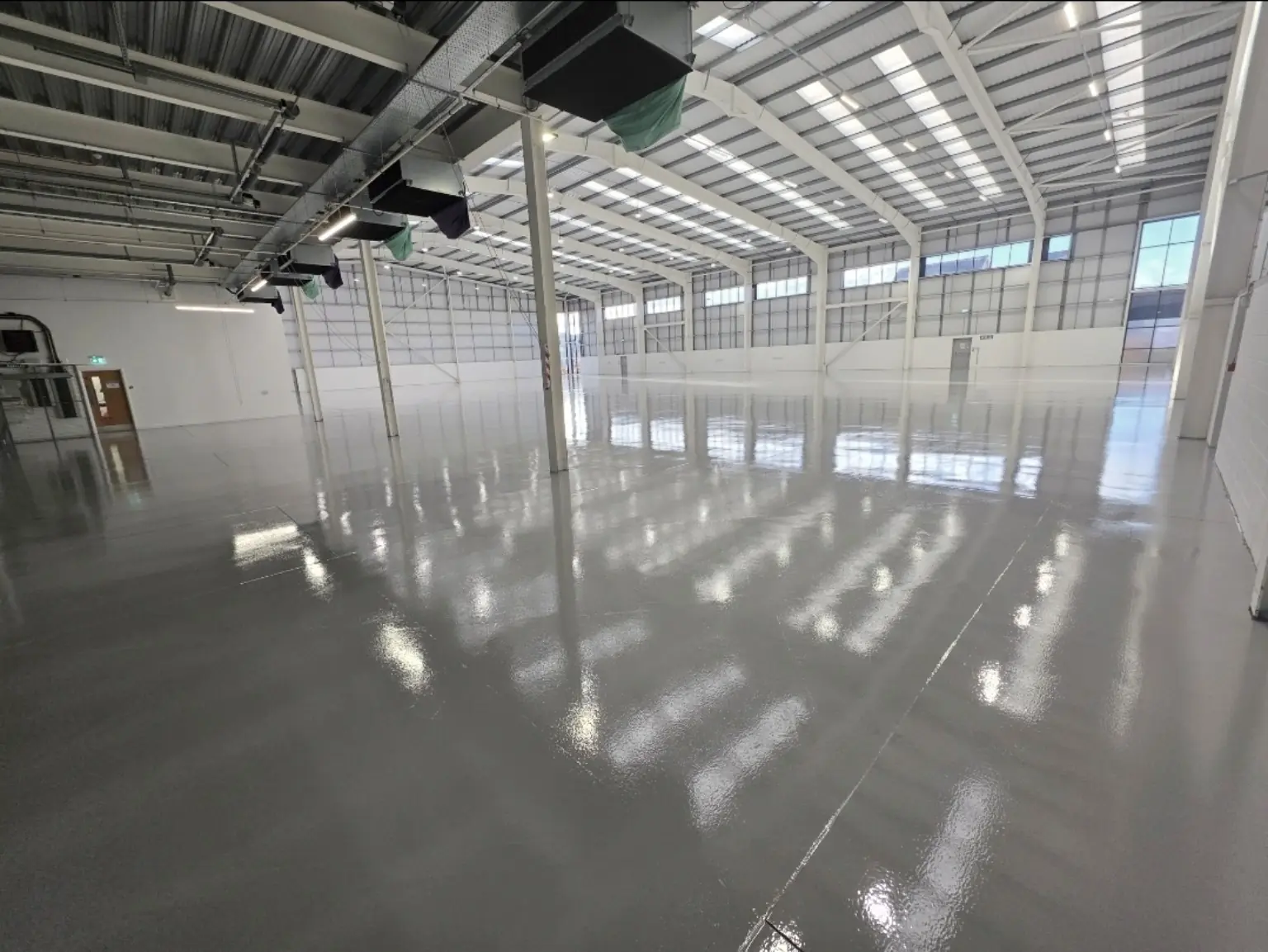
A useful example is SRS’s approximately 3,500m² warehouse refurbishment
in Bristol.
The existing resin flooring was old, tired and damaged. Rather than
simply covering the existing surface, preparation included diamond
grinding and shot blasting.
Indentations and damaged areas extending into the concrete were cleaned
and repaired with epoxy mortar before the new Vebro Polymers epoxy
flooring system was installed.
The project demonstrates an important point about resin flooring
durability: the finished surface cannot be separated from the
preparation and repair work underneath it.
See the complete
Bristol Warehouse Resin Flooring Case Study
.
Another SRS durability example: 5,000m² in Rhondda
SRS also refurbished approximately 5,000m² of warehouse flooring for a
South Wales manufacturer in Rhondda. The existing floor included failed
resin, oil-affected concrete, cracks, holes and damaged substrate rather
than a sound surface ready for simple recoating.
The project combined diamond grinding and shot blasting with extensive
epoxy repairs before installation of a Vebro Polymers epoxy system. Work
was phased so the client could begin moving machinery and installing
racking in completed areas while SRS continued the remaining flooring works.
Read the
5,000m² Rhondda Warehouse Resin Flooring Case Study
.
Existing floor problems
What can indicate that a resin floor needs attention?
Wear or damage does not automatically reveal one specific cause.
An inspection may be needed to understand what is happening.
Common signs worth investigating include:
- Localised wear in forklift turning areas or traffic routes
- Flaking, peeling or loss of adhesion
- Impact damage exposing material beneath the surface
- Cracks appearing through the flooring
- Damage around joints, thresholds or edges
- Areas repeatedly affected by contamination or standing liquids
- A surface texture no longer suitable for the operational area
- Previous repairs beginning to deteriorate
The solution may range from localised repair or recoating to more
extensive mechanical preparation and replacement.
The condition of the substrate and existing flooring should be
understood before deciding on the correct approach.
Protecting the investment
How can you help a resin floor stay in good condition?
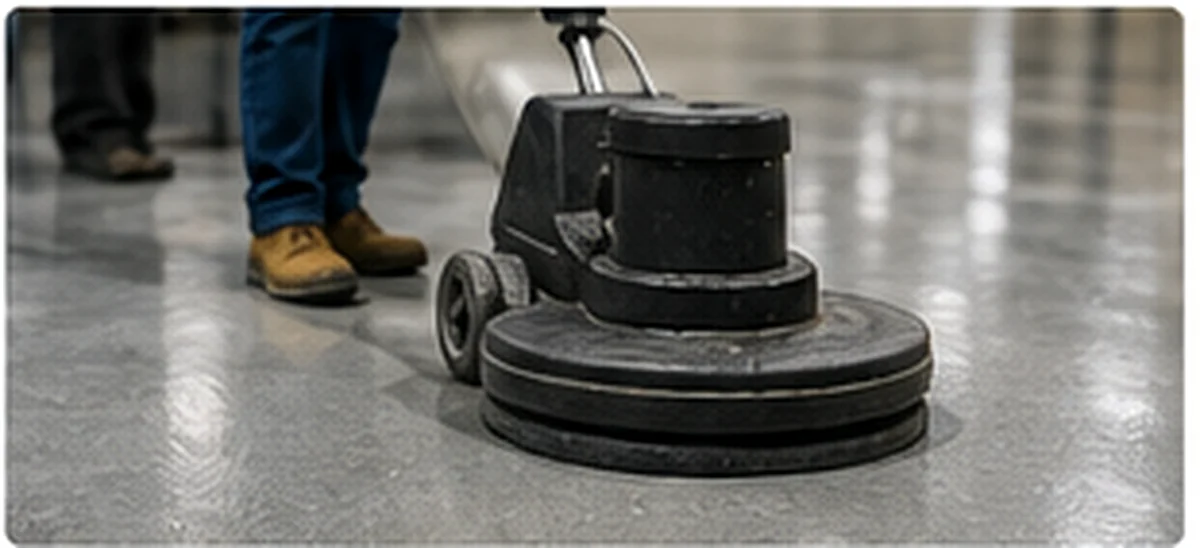
Durability begins with specification and installation, but what happens
after handover matters too.
Use an appropriate cleaning regime
Dirt, grit, oils and process contamination should not simply be allowed
to build up. The cleaning method should suit both the floor finish and
the contaminants being removed.
Deal with damage early
Local impact damage, failed repairs or damaged edges can become more
disruptive if ignored. Early inspection can help establish whether a
local repair is practical.
Protect high-risk activities
Dragging heavy equipment or repeatedly dropping sharp objects onto the
same area can damage even a robust industrial floor. Where practical,
operational controls can reduce unnecessary wear.
Review changing site conditions
A floor originally specified for one level of use may later be exposed
to heavier machinery, different chemicals or much higher traffic.
If site use changes significantly, the flooring requirements may need
to be reviewed as well.
Continue your research
Related resin flooring services and guides
The correct route depends on whether you are researching a new
installation, refurbishment, preparation work or a particular
industrial environment.
Frequently asked questions
Resin flooring durability FAQs
Straightforward answers to common questions about resin floor wear,
traffic and performance.
Are resin floors durable?
Yes. Resin flooring can provide a highly durable surface when the
substrate, preparation and flooring system are suitable for the
environment. Traffic, impact, abrasion, chemicals, temperature,
cleaning and maintenance should all be considered.
Is epoxy flooring durable?
Epoxy flooring can be very durable in suitable industrial and
commercial environments. Performance depends on the system,
preparation, substrate condition and demands placed on the floor.
Can resin flooring handle forklifts?
Resin systems can be specified for warehouse and industrial areas
used by forklifts, but traffic frequency, vehicle weight, wheel
type, turning areas and substrate condition should be considered.
Do resin floors scratch easily?
Resin floors can be scratched or marked, particularly by abrasive
debris, dragged equipment, metal swarf or hard objects. The
significance depends on the flooring system and finish.
Are resin floors resistant to chemicals?
Chemical resistance is system-specific. The actual chemical,
concentration, temperature, contact time and cleaning regime
should be considered against the proposed flooring product.
Does thicker resin flooring mean a more durable floor?
Thickness is one consideration, but thickness alone does not
determine performance. Substrate condition, preparation, resin
technology and actual working conditions also matter.
Does concrete preparation affect resin flooring durability?
Yes. The resin flooring system depends on a suitable substrate.
Mechanical preparation, removal of unsuitable material and
necessary repairs are important parts of the complete flooring
installation.
Can a damaged resin floor be repaired?
Many localised defects can potentially be repaired, but the cause
and extent of damage should first be assessed. Some floors require
a local repair while others may need more extensive refurbishment.
How long does resin flooring last?
There is no universal lifespan for every resin floor. Service life
depends on preparation, system type, traffic, impact, chemical
exposure, cleaning and maintenance.
What information does SRS need to recommend a flooring system?
Useful information includes site location, approximate floor area,
photographs, current condition, forklifts or vehicles, impact,
chemicals, water, cleaning requirements and the available
shutdown period.
Need a durable resin flooring system?
Start with the floor, the environment and how the site actually operates
Send Superior Resin Solutions the approximate floor area, photographs,
existing floor condition, traffic, contamination, cleaning requirements
and preferred programme. We can review the information and discuss the
practical next step.